


REAL DE MINAS
Gallery
 | Author Juan de Villegas |
 | Creation Date – |
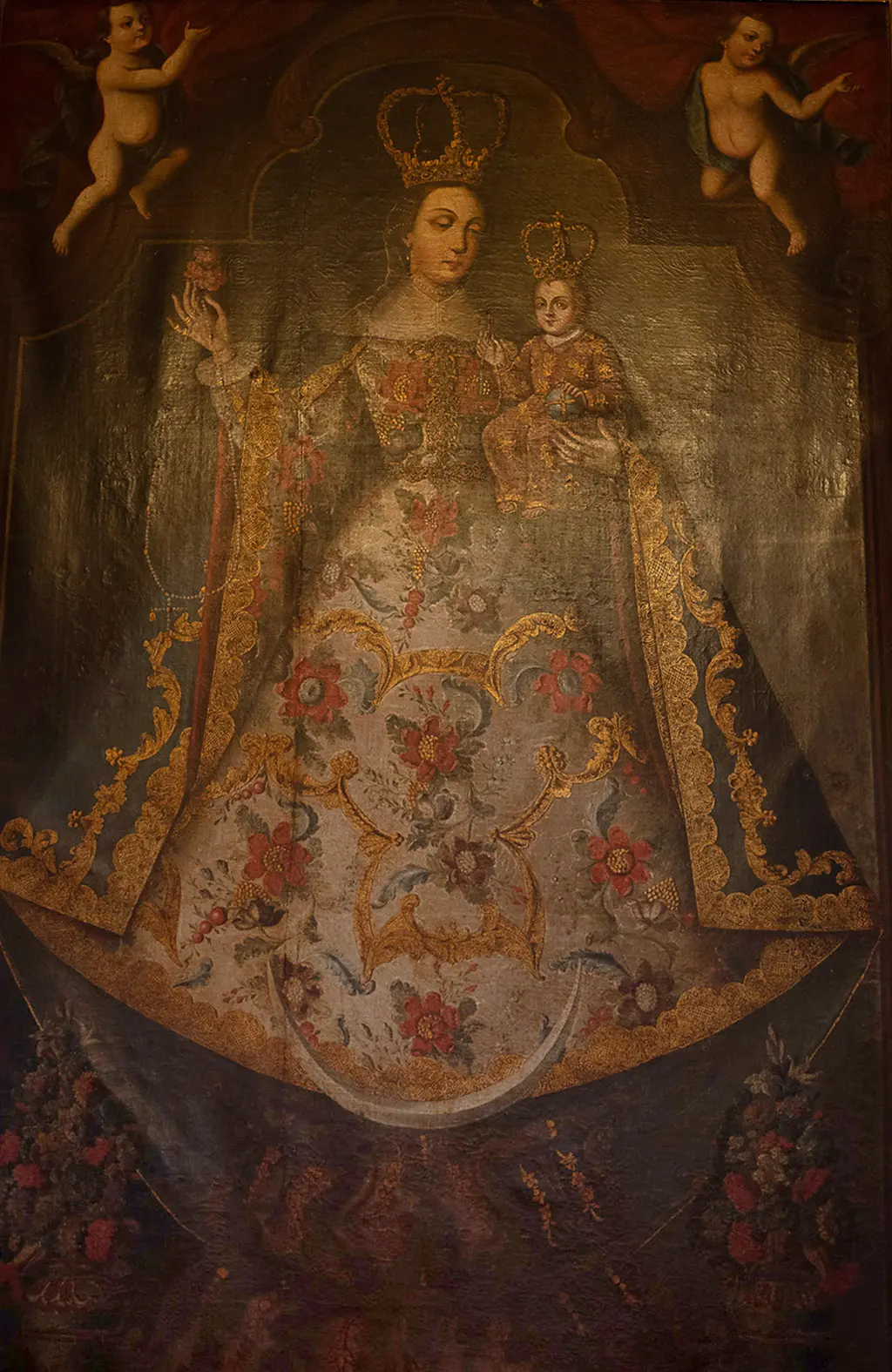
The Virgin of the Rosary
DETAILS OF THE WORK:
It depicts the traditional icon composed of the vision of Our Lady standing on the crescent moon held by an angel, crowned and covered with a star‑studded mantle, and enclosed within a radiant mandorla of light. In the corners of the canvas appear the four apparitions of the Virgin to the Indigenous man Juan Diego, traditionally said to have taken place on the hill of Tepeyac. In the two upper corners, the Indigenous man, accompanied by two angels, witnesses the divine apparition asking him to go to Bishop Zumárraga, tell him what he has seen, and request that a temple be built on that very site.
The prelate’s indifference and his desire for more tangible proof than the mere word of the Indigenous messenger lead to a third apparition, represented in the lower left corner, where Juan Diego is instructed to gather roses which, hidden in his tilma or cloak, he must present to Zumárraga. This gives rise to the fourth and final apparition, in the presence of the bishop and his attendants, who witness how, instead of the flowers, the sacred image itself appears imprinted on Juan Diego’s cloak.
At the feet of the Virgin, an octagonal cartouche shows a small urban landscape scene in which the Basilica of Guadalupe is seen under construction. This allows the work to be dated to the early years of the 18th century, before the temple was completed and dedicated in 1709. It was not until 1754 that Our Lady of Guadalupe was officially declared patroness of New Spain, although long before that she had already been recognized as such within the viceroyalty—first among Indigenous communities, privileged by the apparition to one of their own, and soon after by the criollos, who believed that the phrase “Non fecit taliter omni nationi” granted by Benedict XIV to accompany the image merely confirmed, through the highest authority of the Catholic world, the recognition of New Spain as a land of wonders, where events occurred that did not happen elsewhere.
- It emerged “like a miracle” during a restoration process, beneath a large sketch that had been painted over in black.

About
virgin of the rosary
REAL DE MINAS
GALLERY
Works on Display
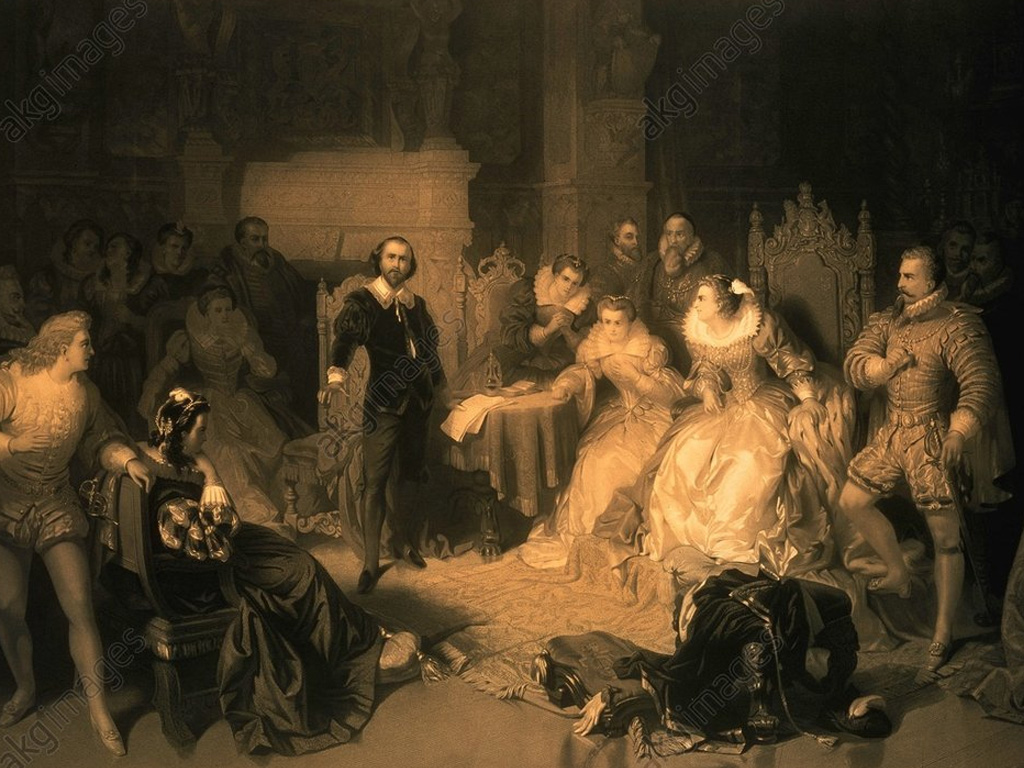
Shakespeare at Elizabeth’s court reading the Macbeth
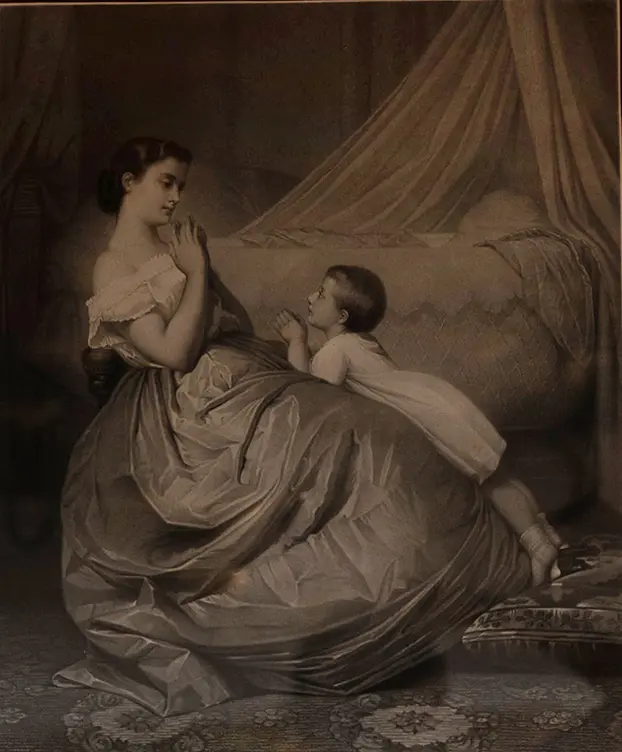
La Priere
The Lesson
The Virgin of Light
The Virgin of the Rosary
16th‑Century Wooden Dresser
Historic Downtown León, Gto.
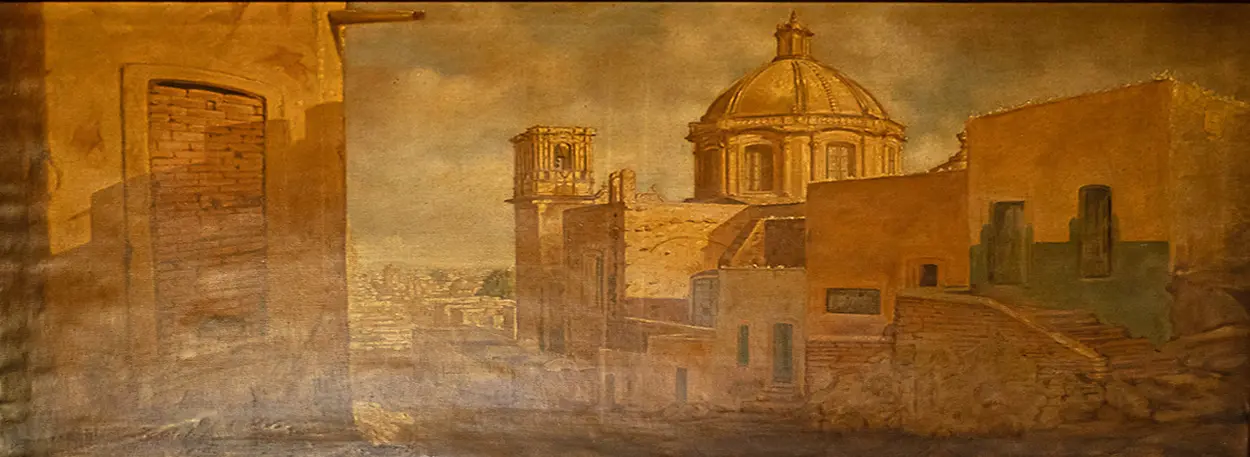
Descent from the Sanctuary of Our Lady of Guadalupe
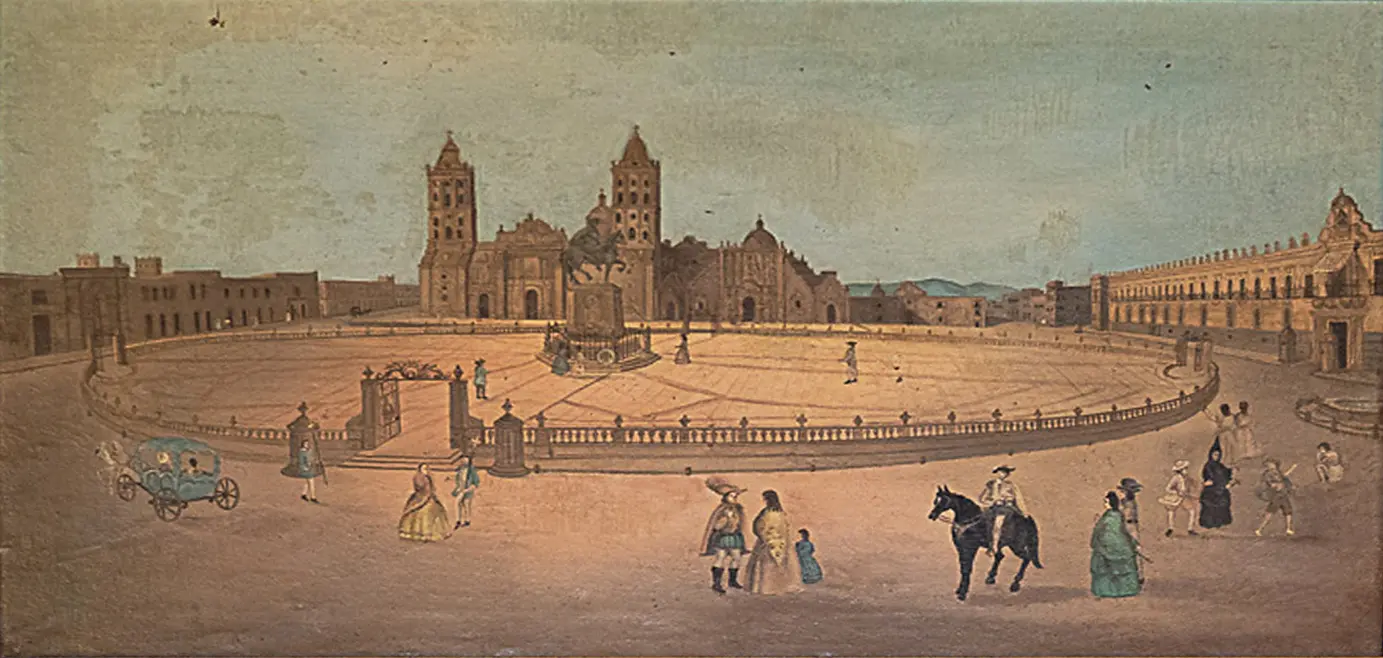
Old Constitution Square
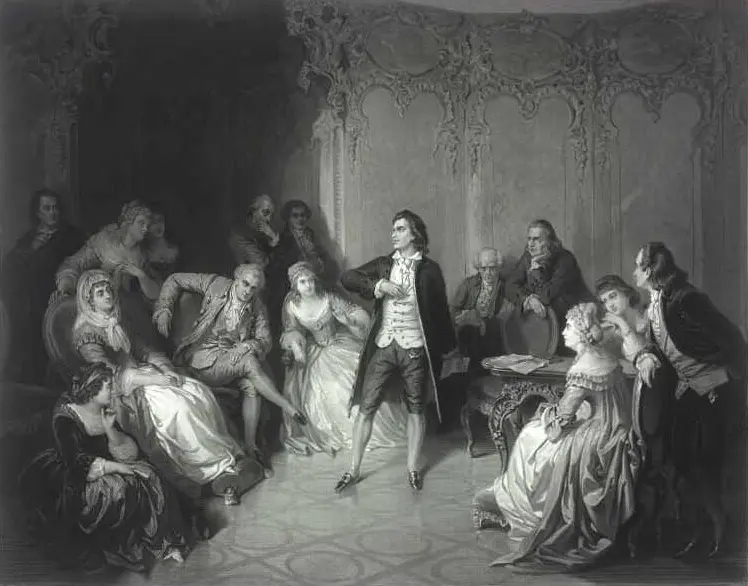
Schiller à la cour de weimar
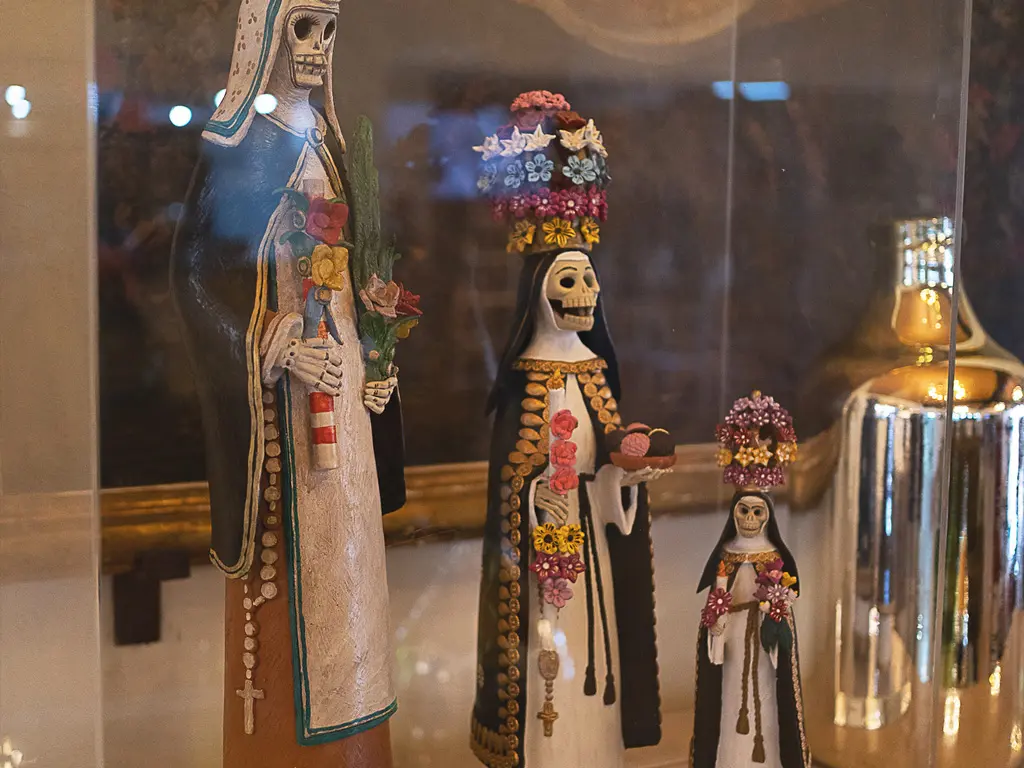
The Nuns
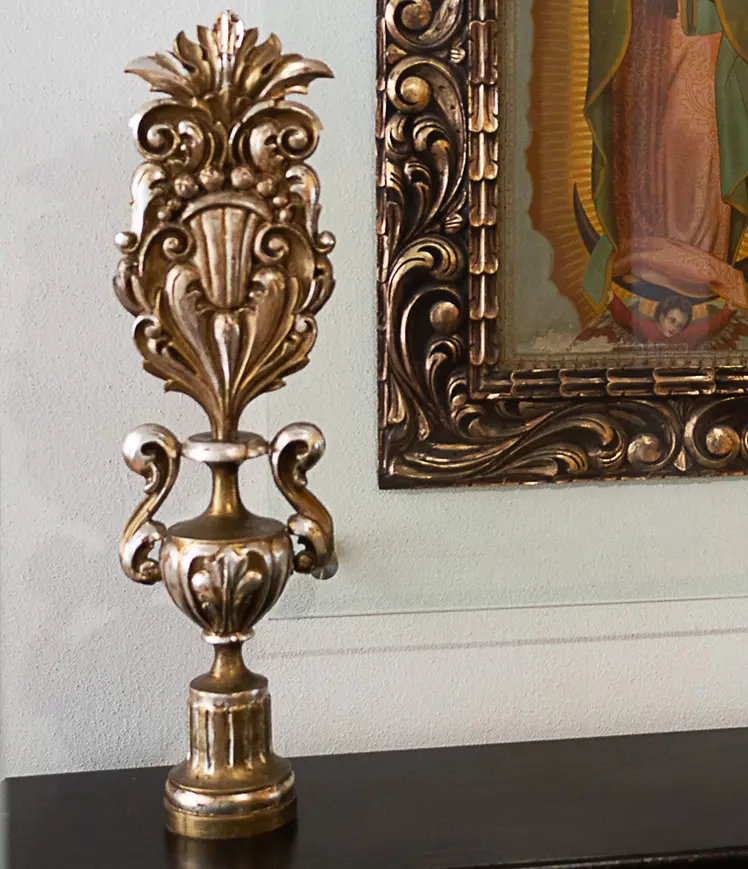
Gilded Bronze Palmatory
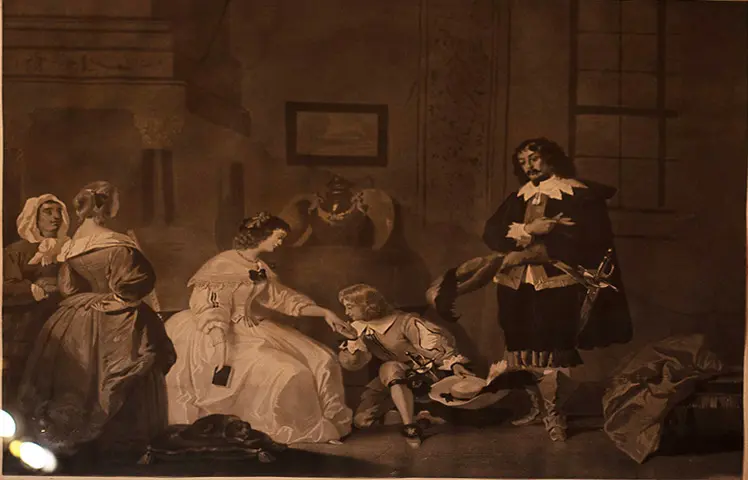
The Three Musketeers
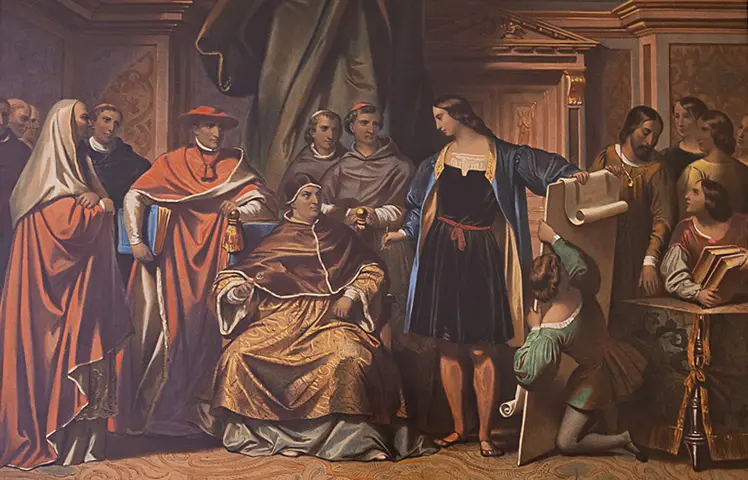
Cristobal Colón
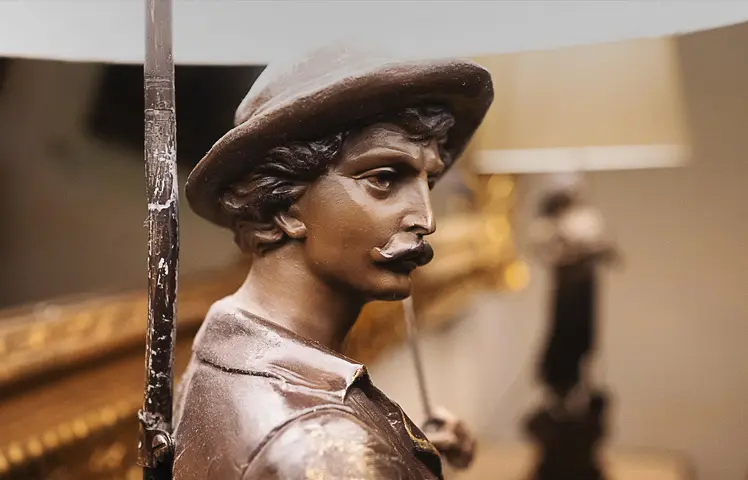
Miners
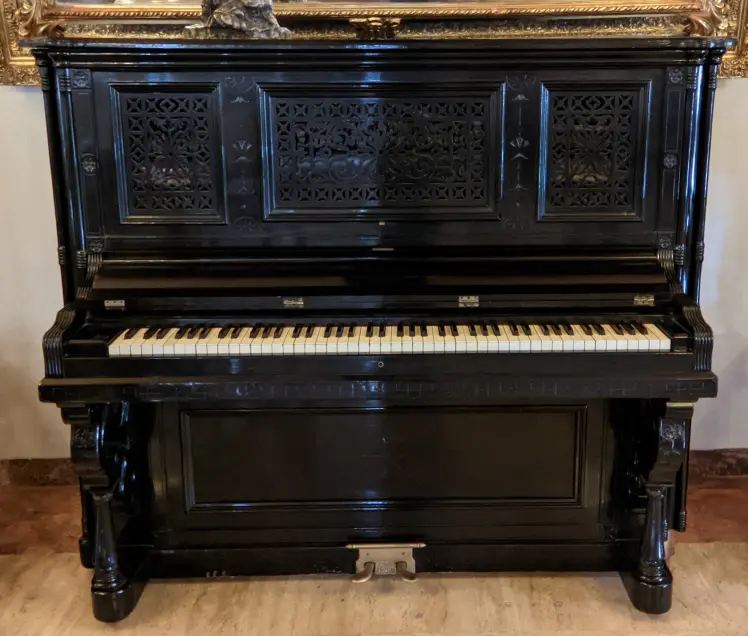
Player Piano
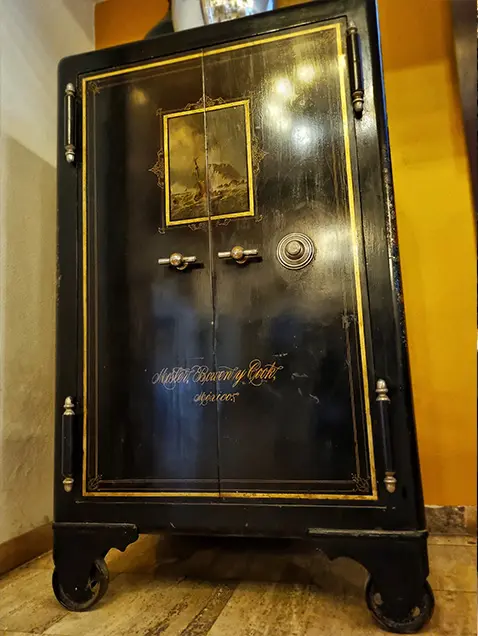
Safe
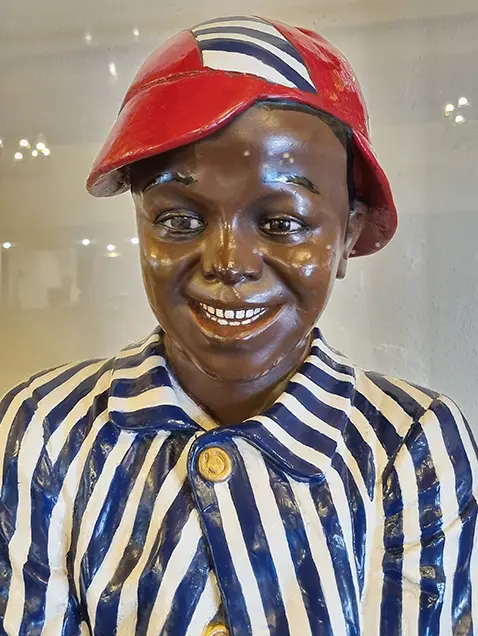
The Little Black Figures
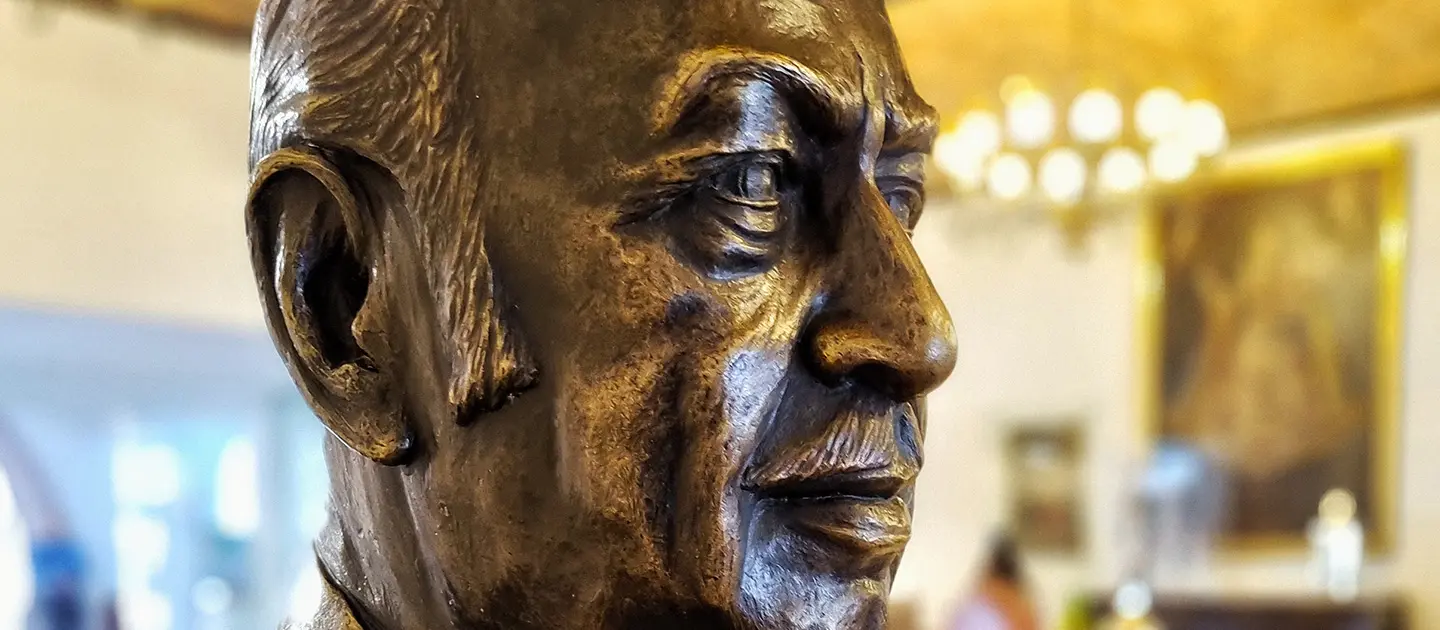
Sculpture by Don Cosme Vera Aceves
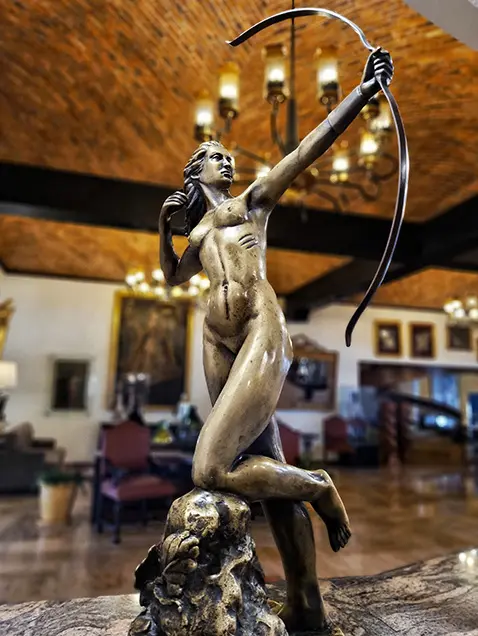
Diana the Huntress
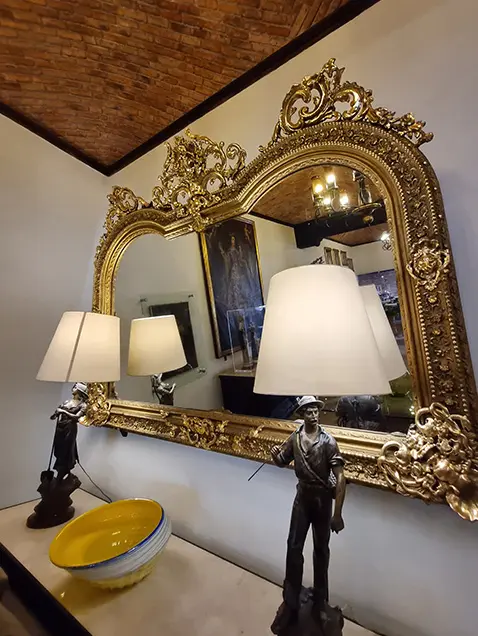
Mirrors
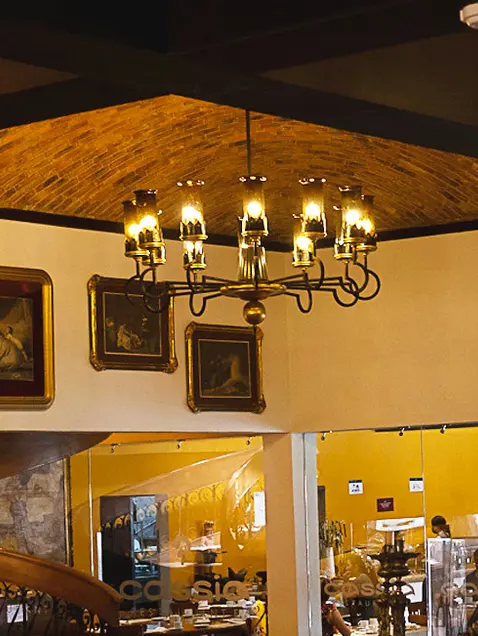
Candelabras